

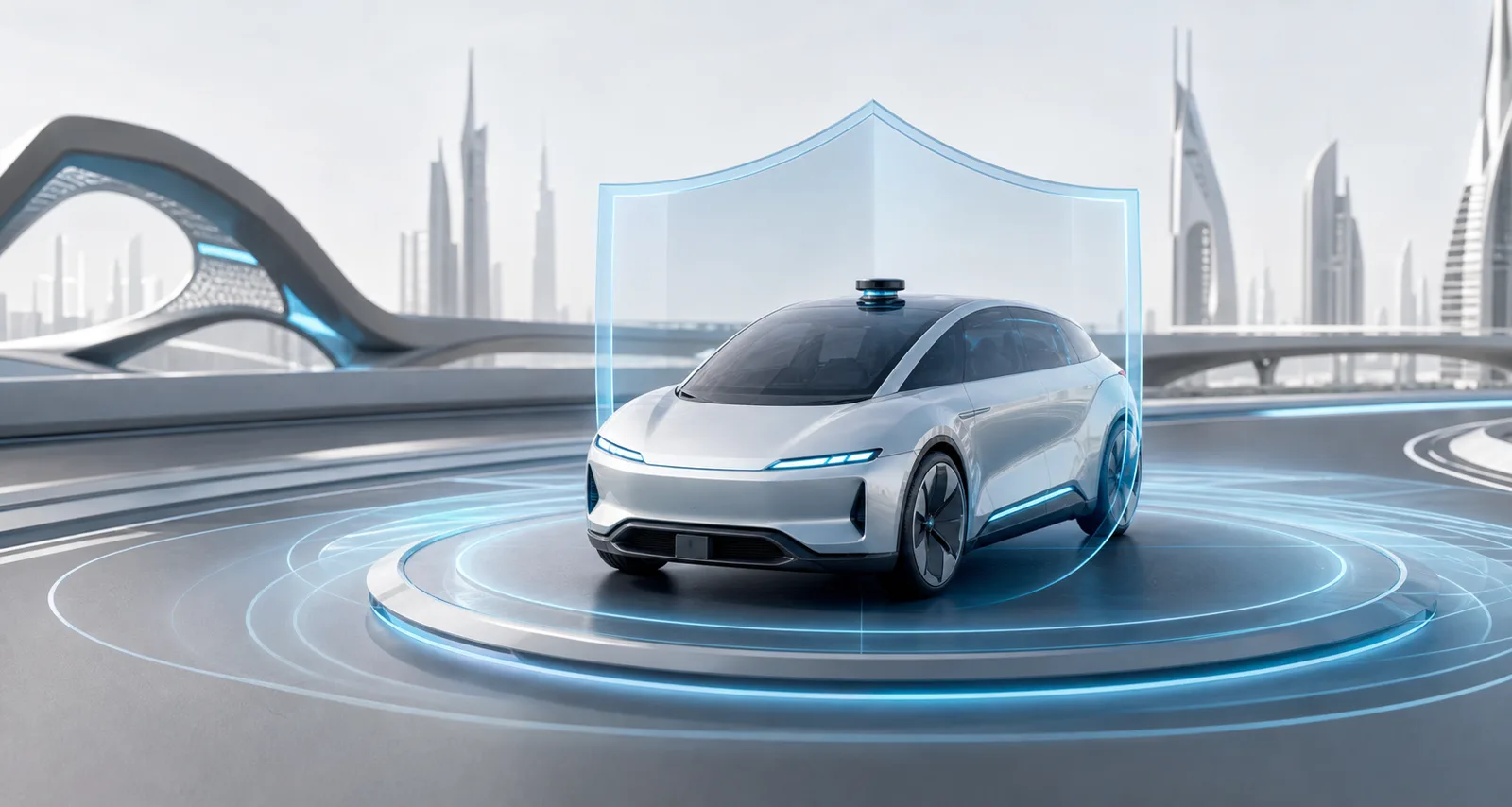
Car Insurance for Autonomous Vehicles in UAE: Complete Guide
As smart mobility technologies continue to evolve, many UAE residents and businesses are asking whether autonomous vehicles can be insured. The short answer is yes. Car insurance for autonomous vehicles in UAE is possible, but the type of coverage, legal responsibilities, and insurance requirements depend on the vehicle's level of automation and how it is used.
Most vehicles currently available in the UAE still require human supervision, even if they include advanced driving technologies. While Dubai and Abu Dhabi are actively testing robotaxis and autonomous transport solutions, fully autonomous private cars are not yet widely available for everyday ownership.
Understanding how car insurance for autonomous vehicles in UAE works is essential for motorists, fleet operators, and technology enthusiasts as the country's smart mobility ecosystem expands.
What Are Autonomous Vehicles?
Autonomous vehicles are cars, buses, taxis, or delivery vehicles equipped with technologies that allow them to perform certain driving functions with limited or no human input. These systems rely on sensors, cameras, radar, artificial intelligence, and software to navigate roads safely.
Vehicle automation exists on a spectrum, ranging from simple driver assistance features to highly automated systems.
Driver Assistance Systems (ADAS)
Advanced Driver Assistance Systems, often called ADAS, support drivers but do not replace them. The driver remains fully responsible for operating the vehicle.
Common ADAS features include:
- Adaptive cruise control
- Lane-keeping assistance
- Automatic emergency braking
- Blind-spot monitoring
- Parking assistance
- Traffic sign recognition
Many premium vehicles sold in the UAE already include ADAS technologies. However, owning a car with these features does not make it fully autonomous.
Semi-Autonomous Vehicles
Semi-autonomous vehicles can control steering, acceleration, and braking in specific conditions, such as highway driving or traffic jams.
Examples include:
- Highway assist systems
- Traffic jam assist
- Hands-free driving in designated environments
Even with these capabilities, drivers must stay attentive and be prepared to take control at any time.
Fully Autonomous Vehicles
Fully autonomous vehicles can perform all driving tasks within approved operating environments without active human intervention.
These vehicles are generally classified as Level 4 or Level 5 automation. Today, such technologies are primarily being tested through robotaxis and pilot projects rather than mass-market private ownership in the UAE.
Are Autonomous Vehicles Legal in the UAE?
The UAE is one of the region's leaders in smart mobility and autonomous transport. Dubai and Abu Dhabi have invested heavily in artificial intelligence, connected infrastructure, and self-driving technologies.
Dubai introduced Law No. 9 of 2023 Regulating the Operation of Autonomous Vehicles, which establishes a legal framework for autonomous mobility, testing, licensing, and operational requirements. The law aims to support smart transportation while ensuring road safety and regulatory oversight.
Dubai's implementing regulations require licensed autonomous vehicles to carry comprehensive insurance issued by insurers licensed in the UAE.
Current regulations focus on:
- Vehicle testing and approval
- Technical inspections
- Safety standards
- Licensing requirements
- Operator permits
- Insurance obligations
Abu Dhabi has also expanded autonomous mobility initiatives. Commercial robotaxi services operated by companies such as WeRide, Uber, and other technology partners are already operating in selected areas after completing regulatory and safety requirements.
Importantly, these developments do not mean that fully autonomous private vehicles are widely available to consumers across the UAE.
How Does Car Insurance for Autonomous Vehicles in UAE Work?
Car insurance for autonomous vehicles in UAE still follows many of the principles that apply to traditional motor insurance, but additional risks must be considered.
Insurance requirements generally include:
- Mandatory third-party liability coverage.
- Comprehensive car insurance for approved autonomous operations.
- Protection for expensive sensors and hardware.
- Coverage for software-related risks.
- Commercial fleet protection for robotaxis and delivery services.
Federal traffic laws require registered vehicles to carry valid insurance, while Dubai's autonomous vehicle regulations impose additional requirements for licensed autonomous operations.
Insurers offering autonomous vehicle insurance UAE products may evaluate:
- The vehicle's automation level.
- The manufacturer's safety record.
- Operational restrictions.
- Repair costs.
- Data and cybersecurity exposure.
Because autonomous technologies vary significantly, policy wording, exclusions, and premiums differ between insurers.
What Does Autonomous Vehicle Insurance Typically Cover?
Coverage under self-driving car insurance UAE policies depends on the insurer, vehicle type, and approved use case.
Third-Party Liability
Third-party liability remains mandatory and covers injuries or property damage caused to others.
Even when autonomous systems are active, determining responsibility can be more complex than in conventional accidents.
Collision and Accidental Damage
Comprehensive car insurance UAE policies may cover:
- Accidental collisions
- Fire damage
- Natural events
- Vehicle repairs
- Total loss claims
Coverage conditions vary by insurer.
Theft and Vandalism
Autonomous vehicles contain expensive technology components that may attract theft or vandalism risks.
Policies may include protection for:
- Vehicle theft
- Attempted theft
- Malicious damage
Damage to Sensors and Cameras
Sensors, radar units, lidar systems, and cameras are among the most expensive components in autonomous vehicles.
Insurance may help cover:
- Camera replacements
- Sensor recalibration
- Hardware repairs
- Diagnostic testing
Software and Technology Risks
Connected car insurance increasingly considers software-related issues, such as:
- System failures
- Software malfunctions
- Connectivity problems
- Cybersecurity incidents
However, many policies contain exclusions, making it essential to review policy wording carefully.
Passenger and Personal Accident Cover
Optional benefits may include:
- Personal accident protection
- Passenger cover
- Medical expenses
- Emergency assistance
Coverage limits vary between insurers.
Who Is Responsible in an Accident Involving an Autonomous Vehicle?
Liability is one of the biggest questions surrounding autonomous transport.
Depending on the circumstances, responsibility could involve:
- Vehicle owners
- Human drivers or supervisors
- Fleet operators
- Manufacturers
- Software providers
- Technology partners
- Insurance companies
For example:
- A driver may remain responsible if they ignore system warnings.
- A fleet operator may bear responsibility for maintenance failures.
- Manufacturers could face scrutiny if a defect contributes to an accident.
- Software providers may become involved in technical investigations.
Globally, liability frameworks for autonomous mobility continue to evolve. Each accident is assessed individually based on local laws, policy terms, and technical evidence.
Factors That May Affect Insurance Premiums
Several factors influence autonomous vehicle insurance UAE premiums.
These include:
- Level of vehicle automation
- Vehicle value
- Repair costs
- Sensor and camera systems
- Claims history
- Cybersecurity exposure
- Intended use
- Fleet size
- Geographic operating areas
- Manufacturer safety records
Autonomous vehicles often cost more to repair because specialized components require calibration and expert servicing.
Car Insurance for Autonomous Vehicles vs Traditional Car Insurance
| Feature | Autonomous Vehicle Insurance | Traditional Car Insurance |
|---|---|---|
| Human driver risk | Lower or shared | Primary factor |
| Sensor protection | Important | Limited |
| Software considerations | Significant | Minimal |
| Cybersecurity concerns | Higher | Lower |
| Repair costs | Potentially higher | Standard |
Common Challenges for Autonomous Vehicle Insurance
Although smart mobility UAE initiatives continue to grow, insurers still face important challenges.
Determining Liability
Responsibility may be shared between several parties, making claims more complex.
Repairing Advanced Technology
Sensors, cameras, and autonomous driving systems require specialized repairs and recalibration.
Cybersecurity Threats
Connected vehicles generate large volumes of data and may face cybersecurity risks.
Data Privacy Concerns
Autonomous vehicles rely on extensive data collection, raising privacy and governance questions.
Regulatory Changes
Autonomous car regulations UAE continue to evolve as governments adapt to new technologies.
Insurance Pricing Uncertainty
Because autonomous technologies are still developing, insurers have limited long-term claims data.
The Future of Autonomous Vehicle Insurance in the UAE
The UAE continues to position itself as a global hub for AI-driven transportation and smart mobility.
Key developments include:
- Dubai's autonomous transport strategy.
- Expansion of robotaxi services.
- Smart city initiatives.
- Connected vehicle ecosystems.
- AI-powered logistics and delivery networks.
Dubai's legal framework supports autonomous mobility through licensing, infrastructure development, and insurance requirements.
Meanwhile, Abu Dhabi has expanded commercial autonomous transport services through partnerships involving robotaxis and advanced mobility providers.
As adoption increases, insurers may introduce:
- Usage-based insurance.
- Connected car insurance products.
- Technology-specific coverage.
- Cyber protection add-ons.
- Fleet-focused autonomous vehicle insurance solutions.
Insurance and legal frameworks will continue evolving alongside advances in autonomous technology.
Practical Checklist Before Buying Insurance for an Autonomous Vehicle
Before purchasing coverage, consider the following checklist:
- Understand the vehicle's level of automation.
- Review all policy exclusions.
- Check protection for sensors, cameras, and software systems.
- Compare insurers and coverage options.
- Verify liability provisions.
- Understand claims procedures.
- Stay updated on UAE regulations.
- Confirm whether the vehicle is approved for autonomous operation.
Frequently Asked Questions
Conclusion: Car Insurance for Autonomous Vehicles in UAE
Car insurance for autonomous vehicles in UAE is evolving alongside the country's ambitious smart mobility goals. While most vehicles on UAE roads still require active human supervision, autonomous technologies are becoming increasingly common through ADAS features, semi-autonomous systems, and pilot robotaxi programs.
Insurance for these vehicles extends beyond traditional motor coverage by considering software, sensors, cybersecurity, and shared liability risks. Because regulations, technology, and insurance products continue to develop, drivers and fleet operators should carefully review policy terms and stay informed about legal requirements.
As autonomous transportation expands across Dubai, Abu Dhabi, and the wider UAE, car insurance for autonomous vehicles in UAE will play a critical role in supporting safer and more connected mobility.
Prepare for the Future of Mobility With the Right Insurance
Autonomous transportation is reshaping the future of mobility, and having the right insurance protection is becoming increasingly important.
Whether you own a vehicle with advanced driver-assistance features, manage a commercial fleet, or are exploring emerging mobility technologies, choosing suitable coverage can help protect against financial risks and unexpected costs.
Explore motor insurance solutions through Insure Now to compare coverage options, understand policy benefits, and prepare for the next generation of transportation with greater confidence and peace of mind.
Related Motor Insurance Guides
Explore more UAE motor insurance and smart mobility guides.
Articles
- Electric Cars in UAE: Complete EV Buying Guide
- Insurance for Sports Cars in UAE
- Third-Party vs Comprehensive Car Insurance in UAE
- Car Insurance Add-ons in UAE
