

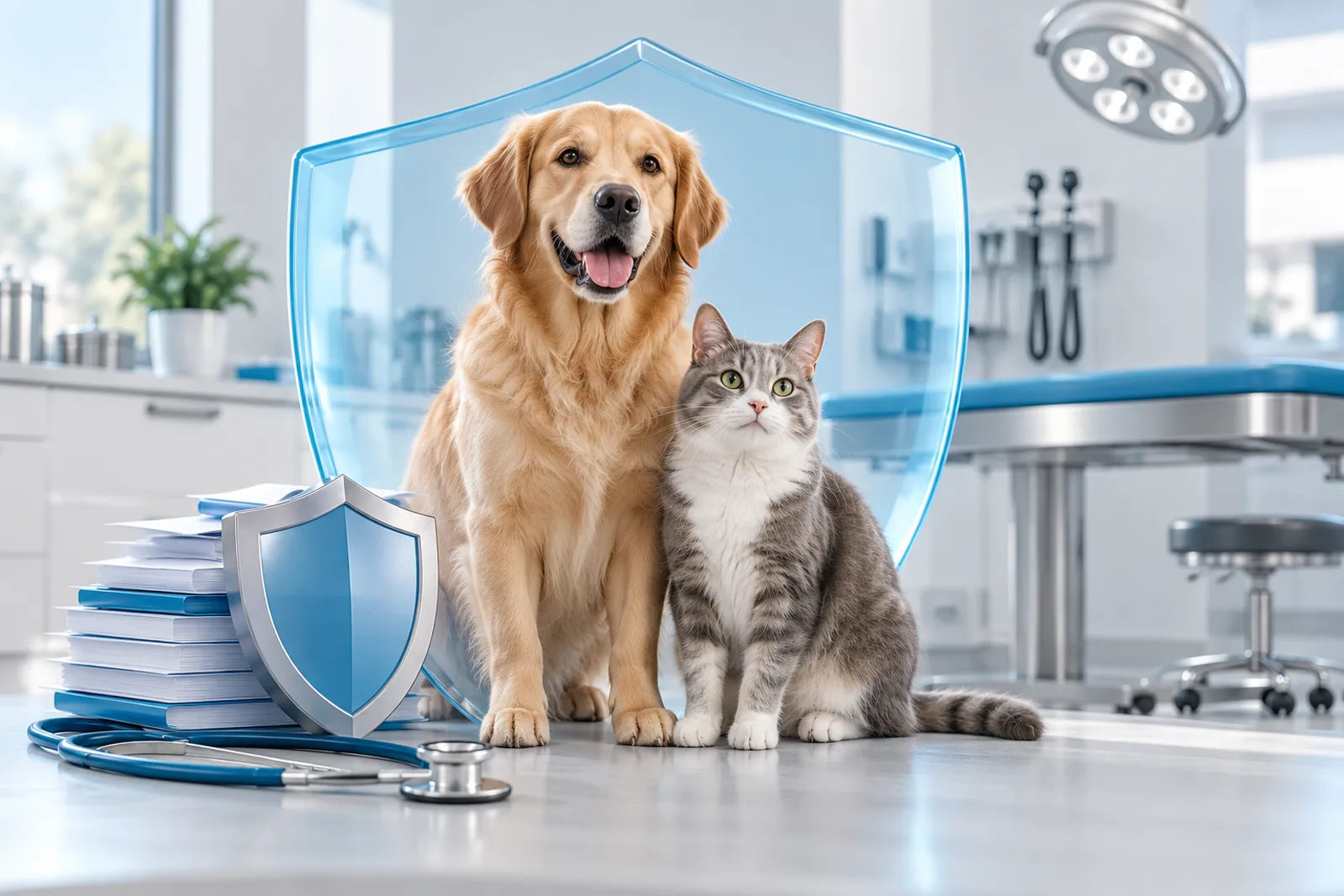
Pet Insurance UAE: Vet Bills, Exclusions and Claim Tips
Unexpected veterinary treatment can become expensive quickly. A swallowed object, sudden illness or serious injury may require diagnostic tests, surgery, medication and hospitalisation, leaving pet owners facing a substantial bill at an already stressful time. Pet insurance in the UAE can help cover eligible veterinary expenses, depending on the policy, so understanding the benefits, limits and exclusions before an emergency occurs is essential.
Pet insurance UAE can help eligible pet owners manage certain unexpected veterinary expenses. Depending on the policy, cover may include eligible consultations, diagnostic tests, surgery, hospitalisation and prescription medication for specified accidents or illnesses.
However, not every veterinary bill is covered, and the full amount is not necessarily reimbursed. Deductibles, co-payments, waiting periods, annual limits, pre-existing conditions and exclusions can affect how much you receive.
Understanding these conditions before buying a policy can help you choose suitable cover and avoid common problems when submitting a claim.
What Is Pet Insurance in the UAE?
Pet insurance is a policy designed to cover specified veterinary expenses and, where included, other eligible costs relating to an insured pet.
Depending on the plan, pet insurance in UAE may provide benefits for:
- Accidental injuries and eligible illnesses
- Veterinary consultations and diagnostic tests
- Surgery and hospitalisation
- Prescription medication and emergency treatment
- Third-party liability
- Lost or stolen pet benefits
- Boarding or kennel expenses under specified circumstances
These benefits are not automatically included in every policy. Some products focus on veterinary bills, while others offer additional benefits subject to separate conditions or limits.
Before purchasing pet insurance in the UAE, check which benefits are listed in the policy schedule and full wording.
What Does Pet Insurance Cover in the UAE?
Accidents and Injuries
Accident cover may help pay for eligible veterinary treatment following a covered accidental injury. Depending on the policy, this could include fractures, wounds, accidental poisoning or injuries requiring surgery.
For example, if an insured dog swallows a foreign object and requires an operation, eligible veterinary expenses may be reimbursable if the incident meets the policy conditions.
The fact that an injury is accidental does not guarantee payment. The policy may contain specific exclusions, benefit limits, waiting periods or veterinary-provider requirements.
Illness and Veterinary Treatment
Some pet medical insurance UAE plans also cover eligible treatment for illnesses that develop during the period of cover.
Depending on the policy, eligible expenses may include:
- Veterinary consultations
- Blood tests and laboratory investigations
- X-rays and diagnostic imaging
- Prescription medicines
- Specialist consultations, surgery and hospitalisation
A veterinarian may consider treatment medically necessary, but the insurer will still assess whether the expense falls within the policy's covered benefits. Exclusions, sub-limits and eligibility conditions may affect the outcome.
Emergency Veterinary Care
Emergency veterinary care can involve significant costs, particularly when a pet needs urgent surgery, hospitalisation or advanced diagnostic testing.
Some policies cover eligible emergency treatment, but owners should check whether referral procedures, specific clinics, diagnostic services or prior authorisation requirements apply. Always prioritise appropriate veterinary care. Contact the insurer when practical, but do not delay emergency treatment that your pet needs.
Does Pet Insurance Cover Vet Bills in the UAE?
Eligible veterinary bills may be covered, depending on the policy. The amount reimbursed depends on the treatment, benefit limits, deductible, co-payment and applicable exclusions.
For example, suppose your pet receives eligible veterinary treatment costing AED 2,000. If the policy reimburses 80% of eligible expenses, the initial calculation would be AED 1,600 before applying any deductible, sub-limit or other policy condition. This is an illustration, not a guaranteed payout or a calculation method used by every insurer.
Before buying veterinary insurance UAE, check these details:
- Veterinary-fee limit: the maximum amount available for eligible treatment
- Reimbursement percentage: the share of eligible expenses the policy pays
- Deductible or excess: the amount you must bear under the policy
- Co-payment: the portion of eligible expenses that remains your responsibility
- Sub-limits and annual limits for particular treatments or the policy year
These conditions determine how much protection a policy provides when an unexpected vet bill arrives.
What Does Pet Insurance Usually Exclude?
Pet insurance exclusions specify circumstances, treatments or expenses for which the policy does not provide cover. The exact exclusions vary by product, so the following are examples to check rather than a universal list of UAE exclusions.
Always read the exclusions section of the actual policy. A benefit mentioned in promotional material may still be subject to conditions, restrictions or a separate limit.
Are Pre-Existing Conditions Covered?
Pre-existing conditions are commonly excluded from pet insurance, but the precise definition varies.
A condition may be considered pre-existing because your pet had symptoms, received veterinary advice, underwent investigations or received treatment before cover began. Some policy definitions may also consider symptoms that appeared during a waiting period.
Disclose your pet's medical history accurately when applying. If you are unsure whether a previous condition affects eligibility, request clarification before purchasing the policy.
Is There a Waiting Period?
A waiting period is a specified period after cover starts during which certain benefits are not yet available.
The waiting period can differ between accidents, illnesses and particular conditions. Some policies may apply different rules at renewal or when coverage changes. Do not assume that all pet insurance UAE policies have the same waiting period. Check the policy schedule and wording for the exact start date and applicable restrictions.
Are Vaccinations and Routine Vet Bills Covered?
Not necessarily. Standard accident-and-illness cover may exclude routine or preventive expenses such as vaccinations, wellness check-ups, grooming, nail trimming and parasite prevention.
Some products may offer additional benefits for certain routine expenses, subject to separate limits and conditions. If you want help with regular veterinary costs, confirm whether preventive care is expressly included rather than assuming it forms part of standard cover.
Does Pet Insurance Cover Third-Party Liability or Lost Pets?
Some policies offer benefits beyond veterinary bills. Third-party liability may provide cover for specified legal liabilities if an insured pet injures another person or damages someone else's property. The covered events, limits and exclusions depend on the policy.
Lost or stolen pet benefits may provide financial assistance in specified circumstances, where included. Check the requirements for reporting the incident, providing evidence and meeting notification deadlines.
Boarding or kennel expenses may also be covered under certain conditions, such as when an insured owner is unexpectedly hospitalised. The qualifying circumstances and maximum benefit vary. Do not assume these benefits are included simply because a product is described as comprehensive pet insurance.
Which Pets Can Be Insured in the UAE?
Eligibility depends on the insurer and product. Before applying, check:
- Whether the policy accepts dogs, cats or both
- Minimum and maximum entry ages
- Breed restrictions
- Microchip or identification requirements
- Medical history and health declarations
- Renewal eligibility and age conditions
A pet that qualifies for a new policy may be subject to different renewal conditions later. Confirm the rules that apply to your specific pet before paying the premium.
How to File a Pet Insurance Claim for Vet Bills
Following the correct claim process and keeping complete records can help prevent avoidable delays.
Step 1: Get Veterinary Treatment
Arrange appropriate treatment and explain the symptoms or incident to the veterinarian. Follow the clinic's advice about tests, medication and follow-up care.
Step 2: Check Your Policy
Review the relevant benefit, deductible, reimbursement percentage, waiting period and exclusions. If treatment is expensive, ask the insurer whether pre-authorisation or referral approval is required, where applicable.
Step 3: Collect the Required Documents
Depending on the policy, you may need:
- Completed claim form
- Itemised veterinary invoice and proof of payment
- Veterinary medical records
- Diagnostic or laboratory reports
- Prescription and medication details
- Accident or incident details, where relevant
An itemised invoice is particularly useful because it shows individual treatments and charges rather than only the total amount.
Step 4: Submit the Claim
Use the insurer's specified claims channel, which may be an online portal, email or another approved method. Check that the forms and supporting documents are complete.
Step 5: Track the Claim and Respond to Requests
Keep the claim reference and copies of submitted documents. If the insurer requests further medical records or clarification, respond promptly.
Step 6: Review the Settlement
If the claim is approved, compare the settlement explanation with the policy's reimbursement percentage, deductible, limits and exclusions. If an expense has not been reimbursed, ask for the reason and the relevant policy provision.
Claim approval and payment timing depend on the policy, completeness of the documents and assessment of the claim.
What Can Cause a Pet Insurance Claim to Be Delayed or Rejected?
Common issues include:
- Treatment relates to a pre-existing condition
- Treatment occurred during an applicable waiting period
- The expense is excluded or exceeds a benefit limit
- The invoice does not provide enough detail
- Medical records or proof of payment are missing
- The pet does not meet eligibility requirements
- The policy was not active when the event occurred
- Required notification or approval was not followed
- Application information was incomplete or inaccurate
- Treatment falls outside geographic or provider requirements
These issues do not automatically produce the same outcome under every policy. The insurer must assess the claim under the applicable terms and circumstances.
If a claim is declined or reduced, request a written explanation, review the relevant policy wording and follow the insurer's complaint procedure if you believe the decision is incorrect.
Pet Insurance Claim Tips for UAE Pet Owners
Use this checklist to prepare for unexpected veterinary bills:
- Read the policy before your pet needs treatment
- Understand the deductible and reimbursement percentage
- Check the annual limit and treatment-specific sub-limits
- Review the definition of pre-existing conditions
- Confirm waiting periods for accidents and illnesses
- Ask whether your preferred clinic meets policy requirements
- Request itemised invoices and keep payment receipts
- Save medical records, prescriptions and diagnostic reports
- Check whether pre-authorisation is needed
- Submit the claim within stated requirements
- Keep copies of forms and claim correspondence
- Read exclusions instead of relying only on advertised benefits
Pet Insurance vs Paying Vet Bills Yourself
Neither approach is automatically best for every pet owner. Consider your pet's age and health history, available savings, the policy's exclusions and limits, and your ability to pay for unexpected treatment.
Insurance may provide financial support for eligible high-cost events, while self-funding gives you direct control over the money you set aside. Compare the likely premium, deductible, reimbursement terms and annual limits with the emergency fund you could maintain.
Pet Insurance Checklist Before Buying
Before selecting a policy, confirm:
- Pet age, breed and renewal eligibility
- Microchip or identification requirements
- Accident and illness coverage
- Veterinary-fee and annual limits
- Deductible and reimbursement percentage
- Waiting periods and pre-existing-condition definition
- Routine and preventive-care coverage
- Dental treatment conditions
- Emergency treatment and hospitalisation
- Third-party liability, if needed
- Lost-pet or boarding benefits, if needed
- Geographic and veterinary-provider restrictions
- Claim documents and submission process
- Full exclusions and policy conditions
Frequently Asked Questions
Pet Insurance UAE: What to Check Before Choosing a Policy
Pet insurance can help manage eligible veterinary bills, but the value of a policy depends on what it actually covers and how claims are assessed.
Before choosing pet insurance UAE, compare veterinary-fee limits, accident and illness benefits, deductibles, reimbursement percentages, waiting periods, pre-existing-condition rules and exclusions. Also check whether emergency treatment, routine care and additional benefits are included or subject to separate limits.
The most useful policy is not necessarily the one with the lowest premium. It is the one whose terms match your pet's needs and the unexpected veterinary expenses you want help managing.
Explore Pet Insurance Options in the UAE
When comparing pet insurance options, consider your pet's age, breed, medical history, expected veterinary needs and your budget for unexpected bills. Review the policy schedule and full wording carefully so you understand the benefits, exclusions and claim requirements before purchasing. Visit Insure Now's Pet Insurance page to explore options in the UAE.
Related Pet Insurance Guides
Explore pet insurance and UAE pet-care resources:
