

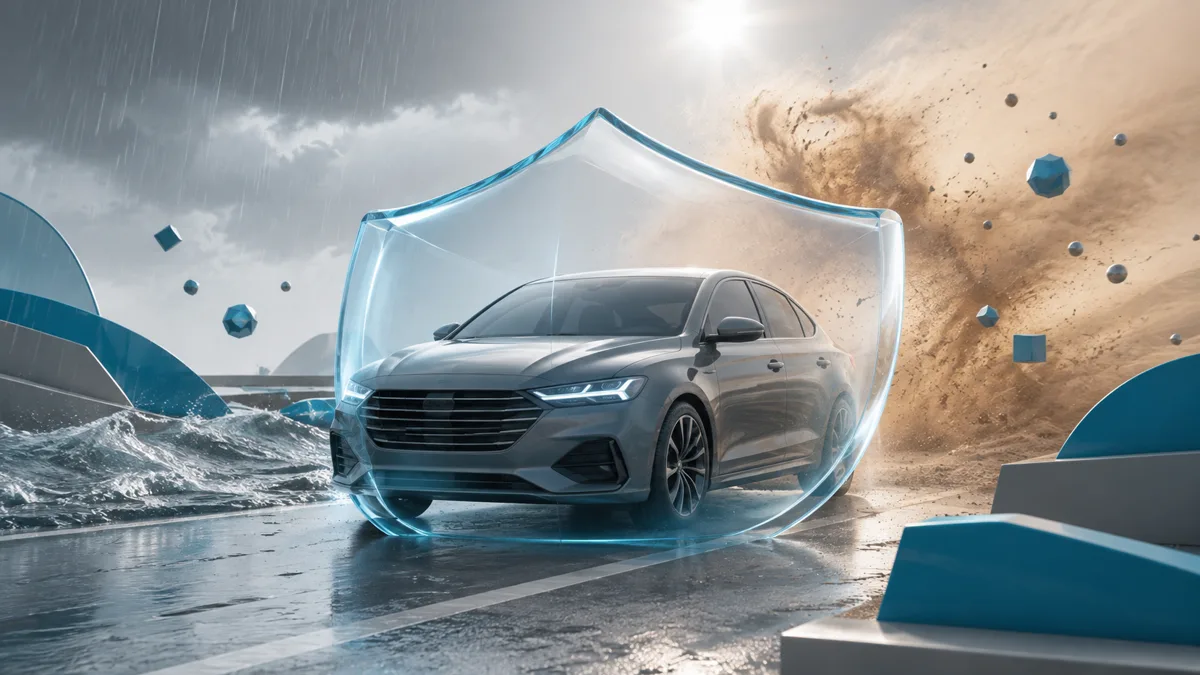
Weather can create serious driving and vehicle risks in the UAE, from heavy rain and flooded roads to sandstorms, strong winds and extreme heat. Understanding weather and car insurance in UAE is therefore important for motorists who want to know what protection their policy may provide.
The key point is that weather-related damage is not automatically treated the same way under every policy. Coverage depends on the type of insurance, policy wording, exclusions, applicable deductibles, the cause of damage and the circumstances of the incident. UAE motorists should always check their actual policy documents before assuming that a particular weather event is covered.
How Does Weather Affect Cars in the UAE?
UAE weather conditions can affect vehicles in different ways. Heavy rainfall can cause flooding, while dust and sand can reduce visibility and affect vehicle components. High temperatures can also place additional stress on tyres, batteries and cooling systems.
Extreme Heat
High temperatures can place additional stress on several vehicle components. Batteries can lose performance, tyres can deteriorate more quickly when poorly maintained, and cooling systems must work harder to regulate engine temperature.
Extended exposure to intense heat can also affect interiors, dashboards, seals and other materials. These effects should not automatically be treated as insured damage because normal deterioration, maintenance issues and insured accidental damage can be treated differently under a policy.
Heavy Rain and Flooding
Heavy rainfall can quickly create waterlogged roads and localized flooding, particularly in low-lying areas. Water can enter a vehicle's cabin, electrical systems and other components, potentially resulting in substantial repair costs.
Flooding can also reduce visibility and make it difficult for drivers to judge the depth of standing water. Attempting to drive through deep or moving water can increase the risk of vehicle damage.
For insurance purposes, however, the circumstances matter. The Central Bank of the UAE has previously confirmed that vehicles affected by the heavy rains of April 2024 were covered where the vehicle had loss and damage insurance, commonly referred to as comprehensive insurance. It also advised customers to understand their insurance policies and their applicable terms.
Sandstorms and Dust
Sand and dust are familiar hazards for motorists across the UAE. During severe dust conditions, visibility can fall significantly, increasing the risk of collisions.
Fine dust can also accumulate around air filters, vents and other vehicle components. Sand carried by strong winds may cause surface or glass damage in some circumstances. Whether resulting damage is insured depends on the applicable policy and the cause of the loss.
Strong Winds and Flying Debris
Strong winds can move loose objects, branches and other debris onto roads or parked vehicles. This can result in broken windows, dents or other bodywork damage.
Whether a particular incident is covered depends on the policy's insured risks, exclusions and the circumstances surrounding the damage.
Does Car Insurance Cover Weather Damage in the UAE?
There is no single answer for every weather-related claim.
The applicable insurance policy determines what is covered and what is excluded. UAE motor insurance regulations distinguish between third-party liability insurance and insurance against loss and damage. The Central Bank's unified loss and damage policy also states that the policy operates according to its terms, conditions and exclusions.
Drivers should therefore consider:
- Type of motor insurance
- Policy wording and schedules
- Applicable exclusions
- Cause of the damage
- Circumstances of the incident
- Deductible or excess
- Any additional coverage or rider
- Insurer's assessment of the claim
Importantly, the unified loss and damage policy contains a natural disaster exclusion, while also allowing additional coverage through riders. The policy defines natural disasters to include events such as floods and requires the applicable conditions to be considered.
This is why motorists should not rely only on the word "comprehensive" when evaluating weather protection.
Comprehensive vs Third-Party Car Insurance for Weather Damage
| Feature | Comprehensive Car Insurance | Third-Party Insurance |
|---|---|---|
| Damage to your own vehicle | Generally covers insured loss and damage, subject to the policy | Generally not covered |
| Third-party damage | Covered subject to policy terms | Provides third-party liability protection |
| Weather-related own damage | Depends on policy wording and applicable coverage | Generally not covered for your own vehicle |
| Flood damage | Policy-specific | Generally not covered for your vehicle |
| Sandstorm-related damage | Policy-specific | Generally not covered for your vehicle |
| Deductible | May apply according to policy | Depends on applicable policy terms |
The CBUAE describes comprehensive insurance as combining third-party liability with loss and damage protection, while third-party liability insurance is primarily intended to cover damage caused to other people or their property.
Comprehensive insurance therefore provides broader protection, but it should not be interpreted as unlimited coverage for every possible weather event.
Does Car Insurance Cover Flood Damage in the UAE?
Flood-related claims require particular attention because flood is specifically addressed within the UAE's unified motor insurance framework as a natural disaster. The unified loss and damage policy includes natural disasters among its exclusions, while riders can be used to supplement basic coverage.
At the same time, the Central Bank confirmed after the exceptional April 2024 weather event that rain-damaged vehicles were covered where customers had loss and damage insurance.
This means motorists should not apply a blanket rule to every flood claim. The insurer may assess the exact cause, circumstances, policy wording, applicable coverage and exclusions.
Do not assume that driving through a flooded road automatically makes a claim valid or invalid. The circumstances and applicable policy conditions need to be assessed.
Does Car Insurance Cover Sandstorm and Dust Damage?
Sandstorm and dust-related damage can include glass damage, bodywork exposure and visibility-related accidents. However, there is no basis for saying that every sandstorm-related loss is automatically covered or automatically excluded.
The correct approach is to check whether the specific loss falls within the insured risks under the policy and whether an exclusion applies. If an additional rider or special coverage applies, that should also be considered.
Does Third-Party Car Insurance Cover Weather Damage?
Generally, no, not for damage to your own vehicle.
Third-party liability insurance is designed primarily to cover the insured driver's legal liability for injury or property damage caused to third parties, subject to the applicable policy and UAE requirements. The CBUAE explains that third-party insurance does not provide protection for damage caused to the insured's own vehicle.
Therefore, if your own car is damaged by flooding, falling debris or another weather-related event, third-party insurance generally does not provide comprehensive own-vehicle protection.
What Should You Do If Your Car Is Damaged by Bad Weather?
If severe weather damages your vehicle, safety should come first.
- Move to a safe location if it is possible to do so safely.
- Avoid putting yourself at risk around floodwater, strong winds or damaged roads.
- Do not restart a vehicle that may have suffered serious water ingress.
- Photograph and document visible damage when it is safe.
- Record the location and circumstances of the incident.
- Contact your insurer as soon as practically possible.
- Follow the insurer's claims instructions.
- Obtain a police or authority report if required.
- Use an approved repair facility where the policy requires it.
- Keep receipts, photographs and other supporting documents.
The unified loss and damage policy requires accident notification to the insurer as soon as practically possible, while allowing consideration of an acceptable excuse where delayed notification is justified.
How Can Drivers Reduce Weather-Related Car Risks?
Good preparation can reduce both safety risks and the likelihood of vehicle damage.
- Avoid driving through flooded or moving water.
- Follow official weather warnings and road instructions.
- Avoid unnecessary travel during dangerous conditions.
- Park in a safer location during severe weather when possible.
- Maintain tyres at the appropriate condition and pressure.
- Check brakes and windshield wipers regularly.
- Keep the battery and cooling system properly maintained.
- Check windows, doors and seals for damage.
- Protect the vehicle from prolonged extreme heat where practical.
- Maintain good visibility during dusty conditions.
- Slow down when visibility or road conditions deteriorate.
During severe weather, motorists should rely on official UAE weather and safety guidance rather than attempting to predict road conditions themselves.
What Should Drivers Check in Their Car Insurance Policy?
Before purchasing or renewing UAE motor insurance, review the actual policy documents rather than relying only on the policy name.
Pay particular attention to:
- Comprehensive or third-party coverage
- Weather and natural disaster wording
- Flood-related provisions and exclusions
- Deductible or excess
- Repair conditions
- Approved garages
- Geographic coverage
- Off-road exclusions
- Driver restrictions
- Claims notification requirements
- Additional riders or endorsements
The CBUAE states that insurers provide policy forms and related terms and conditions, and policyholders should receive copies of their insurance policies and relevant amendments.
Common Misconceptions About Weather and Car Insurance
"Comprehensive insurance covers everything."
Not necessarily. Comprehensive insurance provides broader protection, but coverage remains subject to policy terms and exclusions.
"Rain damage is always covered."
Coverage depends on the applicable policy and circumstances. The CBUAE's 2024 guidance specifically addressed vehicles affected by that year's exceptional heavy rains.
"Flood damage is automatically covered."
Do not assume this. Flood is addressed as a natural disaster under the unified policy framework, and applicable coverage must be checked.
"Third-party insurance covers my car."
Third-party insurance primarily protects against liability for damage or injury caused to others.
"Sandstorm damage is always excluded."
The treatment depends on the applicable policy wording and circumstances.
"The insurer will pay regardless of how the damage occurred."
Claims remain subject to policy conditions, exclusions and the assessment of the incident.
Weather and Car Insurance in UAE: Practical Checklist
- Check whether your policy is comprehensive or third-party.
- Review weather and natural disaster provisions.
- Check flood-related wording.
- Check your deductible or excess.
- Save your insurer's claims contact details.
- Follow official weather warnings.
- Avoid flooded roads.
- Photograph damage when safe.
- Keep incident and repair documents.
- Follow your insurer's claims procedure.
Frequently Asked Questions
Conclusion: Weather and Car Insurance in UAE
Understanding weather and car insurance in UAE can help motorists make better decisions before and after severe weather. Heavy rain, flooding, sandstorms, dust, extreme heat, strong winds and flying debris can all create different risks for vehicles.
The most important point is that weather-related coverage depends on the actual insurance policy and the circumstances of the loss. Drivers should review coverage, exclusions, deductibles and any additional riders instead of assuming that comprehensive insurance covers every possible weather event.
Safe driving should remain the first priority during severe weather. When damage does occur, document the incident safely, contact the insurer promptly and follow the applicable claims procedure.
Choose the Right Car Insurance for UAE Driving Conditions
Choosing suitable motor insurance starts with understanding what your policy actually covers. Compare comprehensive car insurance options, review weather-related provisions and exclusions, and select protection that fits your vehicle and driving needs.
Related Motor Insurance Guides
Explore related motor insurance articles, coverage pages, and useful insurance resources.
Articles
- Car Insurance Add-ons in UAE
- Third-Party vs Comprehensive Car Insurance in UAE
- Off-road Coverage in UAE Car Insurance
- No Claim Discount UAE on Car Insurance
- How to Avoid Car Insurance Overlap in the UAE
